How Long Does Epoxy Take to Cure on a Hot Riverside Day
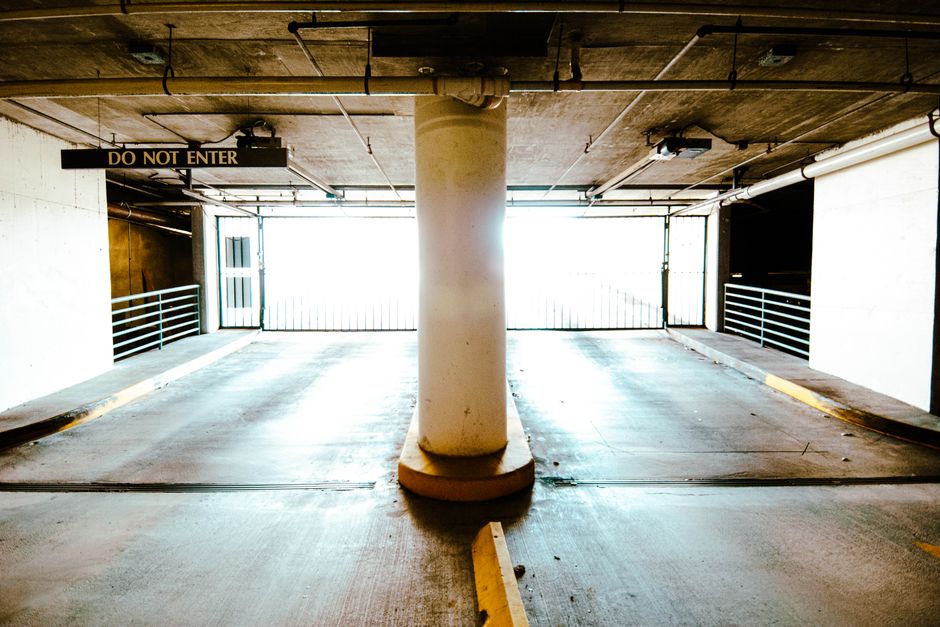
Pot life on a mixed batch of epoxy can drop from about thirty minutes to under fifteen when the slab is warm. Every hot afternoon pour that riverside epoxy flooring ruts n guts has logged shows the same pattern: the resin goes off in the bucket before it reaches the wall. Garage floors in Riverside, CA run hot from May into October, and the schedule for the coating has to follow the temperature of the slab, not the calendar.
What is pot life, and why does heat shorten it?
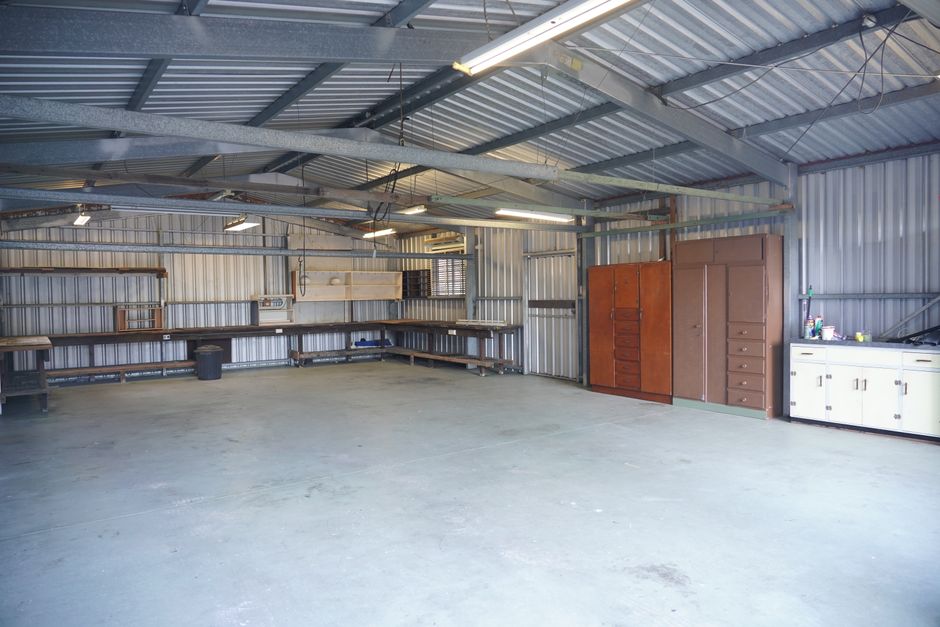
Pot life is the window between mixing the resin and the hardener and the point where the batch becomes too thick to roll. The reaction gives off heat of its own, and a full bucket sitting in the sun speeds it up. Once the mix starts to get hot, the batch is spread thin on the floor right away, since a thin layer sheds heat and a bucket does not.
How do Santa Ana winds change the work?
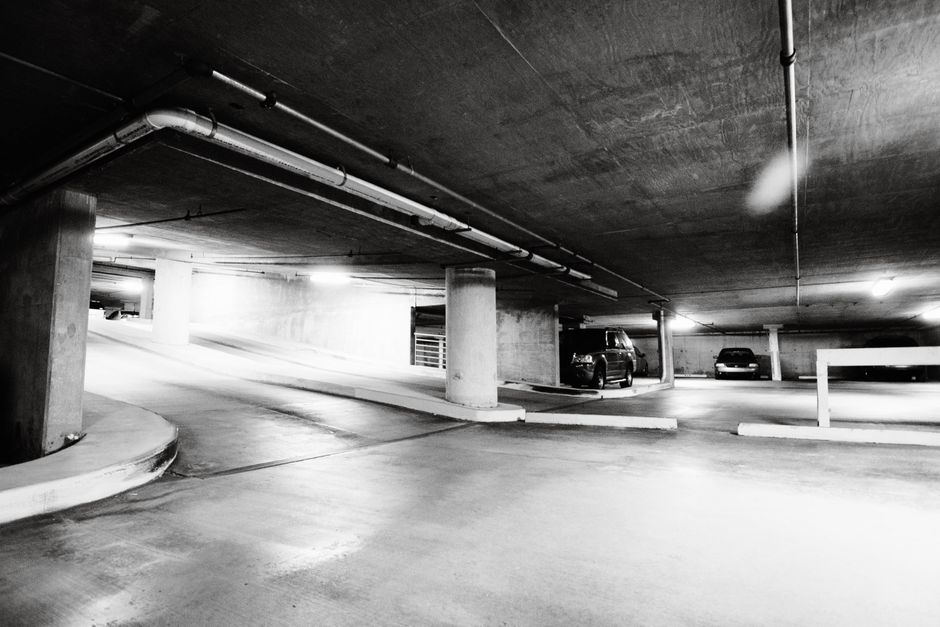
Santa Ana winds blow hot, dry air through the Inland Empire in autumn and into winter, and they carry dust. Wind through an open garage door skins the surface of a wet coat, leaves grit in the film and pulls solvent out faster than the resin can level. The doors stay closed during application on those days, or the job is moved to another day.
Why is early morning the usual start?
Slab temperature at sunrise is lower than it will be by noon, and a cooler slab gives a longer working time. The base coat goes down while the garage is still cool, the flake is broadcast into the wet resin, and the heat of the day helps the cure afterward. Applying epoxy to a slab that is climbing in temperature can also cause pinholes, as air in the concrete expands and rises through the film.
When can the floor be walked on and driven on?
Foot traffic is generally fine after a day. Car traffic is better left until the floor has cured for several days, and longer in cool weather, since full hardness arrives later than the surface feel. A polyaspartic topcoat cures much faster than epoxy and can shorten that wait, which is a reason it is chosen for hot, busy garages.
What should the thermometer say?
Both the slab and the air are checked with an infrared thermometer before mixing. The product data sheet gives a range, and a slab outside it means the start is delayed rather than forced.