Flake Broadcast or Metallic Epoxy for a Garage Floor
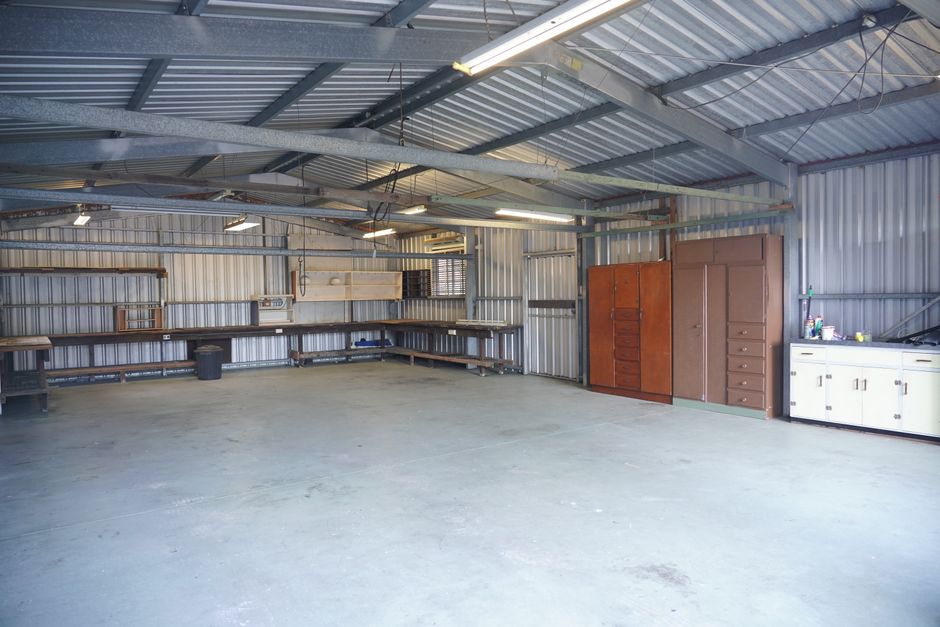
Most people pick the colour sample first and never ask what sits under it. The choice between a flake broadcast and a metallic epoxy in a garage in Riverside, CA is a choice of build, and riverside epoxy flooring ruts n guts sets the order deliberately: prep, base coat, decorative layer, then topcoat. Both finishes sit on a ground slab, and both depend on the same primer and the same careful prep.
How is a flake floor built?
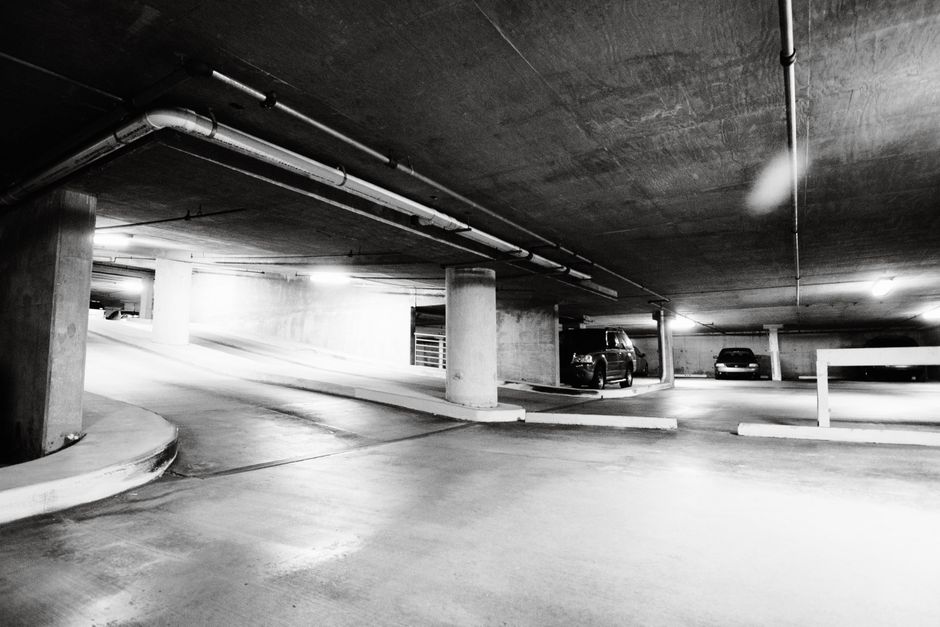
A pigmented base coat is rolled out, and vinyl flake is thrown by hand into the wet resin until the surface is fully covered. After the base cures, the loose flake is scraped and swept off, and one or two clear coats lock the rest in. The flake gives a textured surface with natural slip resistance, and it hides small slab flaws, dust and tire marks well. A full broadcast leaves almost no solid color showing through.
How is a metallic floor built?
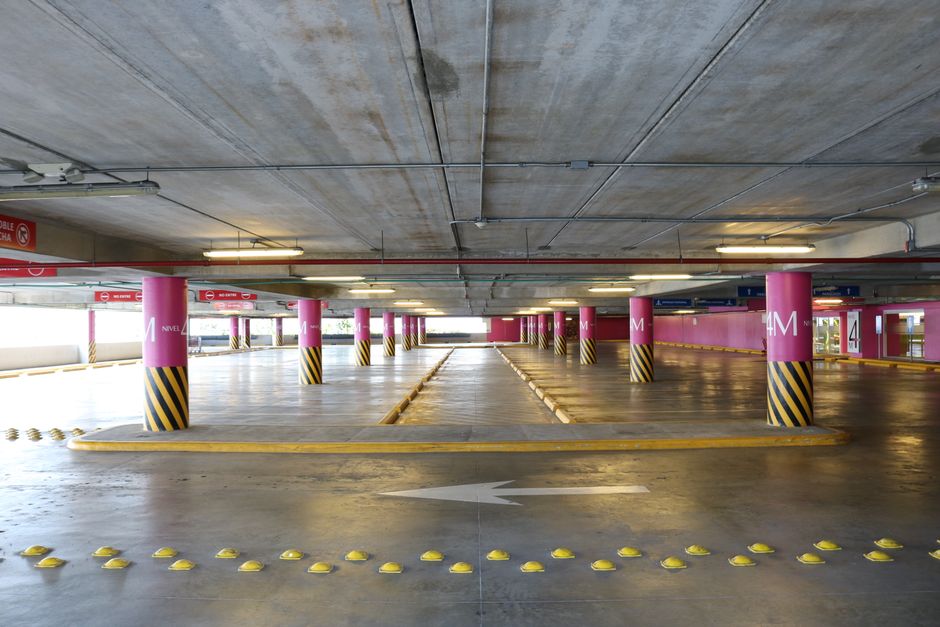
A metallic floor starts with a solid color base coat, then a layer of clear epoxy tinted with metallic pigment is poured and moved around with a roller, a brush or a spreader. The pigment settles and swirls, so no two floors match. A clear coat goes over it, usually a urethane or polyaspartic topcoat for scratch and heat resistance. The surface is smooth and glossy, which is the look, and it shows every flaw underneath.
Which one is safer on a wet floor?
Flake is the more forgiving surface when wet, since the loose texture gives the shoe something to grip. A smooth metallic floor can be slick when a car drips water in from a trip through the Box Springs Mountains, so fine quartz sand or a grit additive is mixed into the topcoat for traction. That addition slightly dulls the gloss.
Which one wears better?
Flake hides scuffs and wear patterns because the pattern is busy, and it carries a heavy build, often the most mil thickness of any system. Metallic shows scratches more openly, and a hard topcoat is what protects it. In both cases the topcoat is the layer that takes the abuse, so it is the layer worth choosing carefully.
What about upkeep?
Either floor is cleaned with a soft mop and a mild cleaner. Sand tracked in from outside scratches a glossy surface faster than anything else, so a door mat helps. Solid color, flake or metallic, no coating needs more than that.